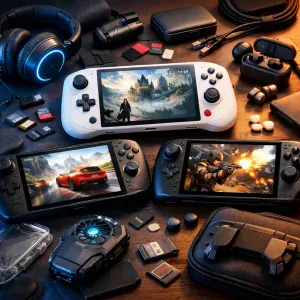
Jumping into the world of gaming hardware for beginners can feel a bit overwhelming. There’s a lot to figure out, from picking the right components to understanding what you really need vs. what looks cool. No worries though; we’ll break it down together!
First off, let’s chat about what you actually need. If you’re just starting out, the basics include a good gaming console or PC, a reliable monitor, and quality peripherals like a keyboard and mouse (or a controller). These are your essentials. It’s tempting to go for the flashy stuff, but stick to what gets you started. You’ll find that investing in solid basics pays off.
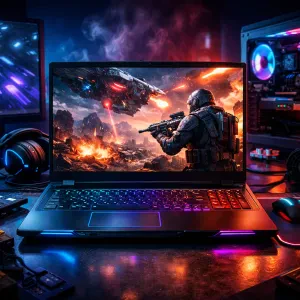
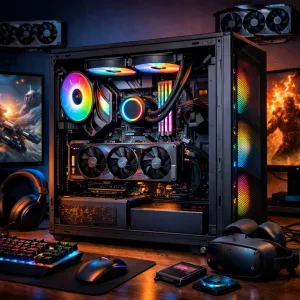
When choosing a gaming PC, think about whether you want a desktop or a laptop. Desktop gaming PCs often give you better performance for the price, and they’re easier to upgrade down the line. Laptops are great for portability if you plan to game on the go. Make sure to check the specs—look for a decent graphics card, enough RAM, and a good processor. This stuff matters when you’re playing modern games!
Don’t forget about accessories! A good headset can really enhance your gaming experience, especially if you’re into multiplayer games where communication is key. Look for a comfortable pair with quality sound and a decent microphone. Trust me, you’ll thank yourself later when you’re deep into a game and need to strategize with your teammates.
Finally, once you've got your gaming hardware for beginners set up, don’t forget about software. Make sure your operating system is up to date, and explore gaming platforms like Steam or Epic Games Store. They often have sales, and you’ll find a ton of games to try out! Enjoy diving into your new gaming setup!
Key Components of a Gaming Setup
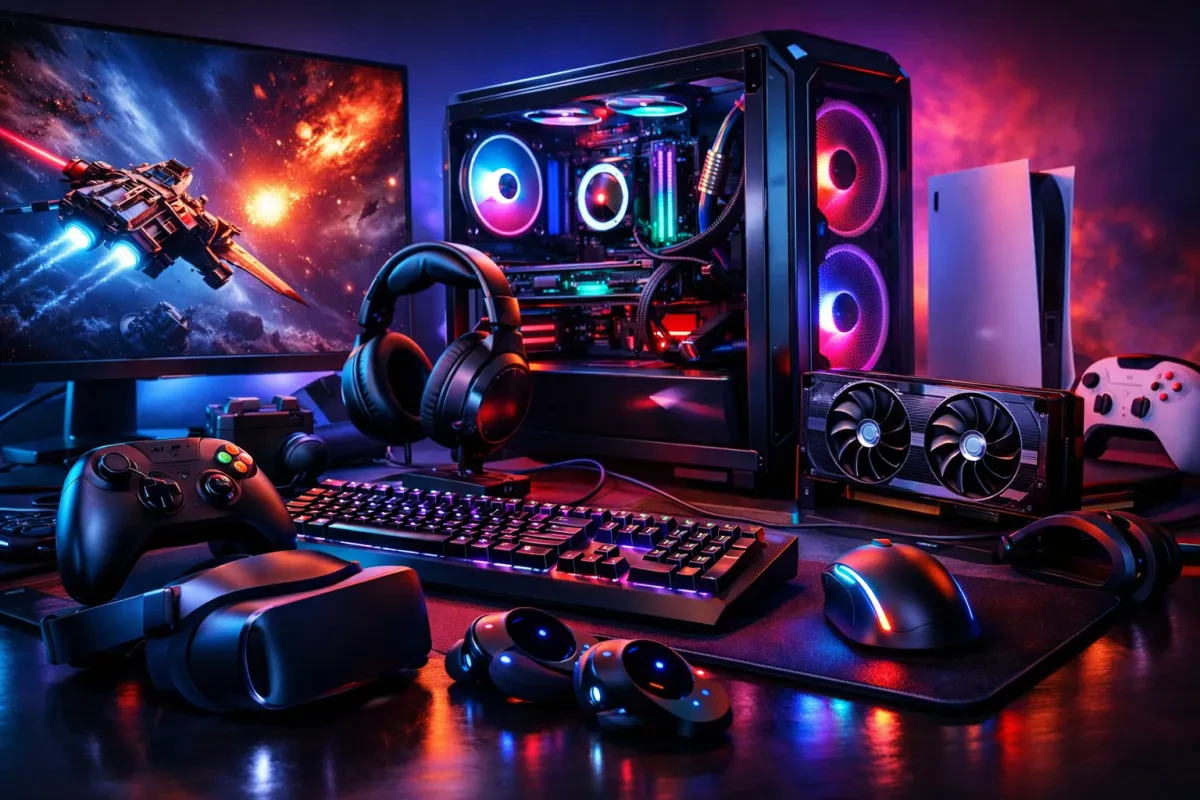
First up, the gaming PC or console. If you go the PC route, you’ll need a solid CPU and GPU for smooth gameplay. Graphics cards can make a big difference in how games look, so don’t skimp here. On the other hand, consoles like the PlayStation or Xbox offer convenience and can be a great choice if you prefer plug-and-play.
Next, the monitor is another important piece. Look for one with a good refresh rate and resolution. A higher refresh rate means smoother movement, which is essential for fast-paced games. Gaming monitors often come with features like adaptive sync technology to help reduce lag and screen tearing.
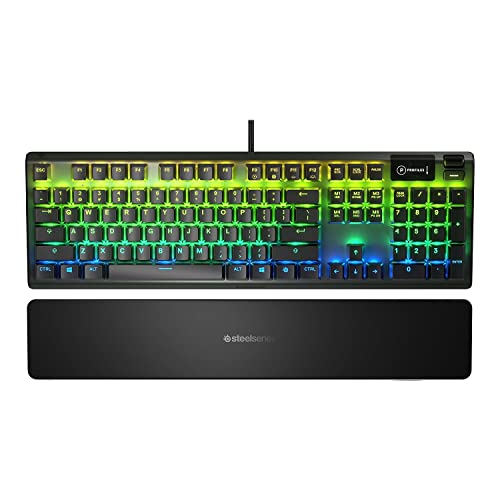
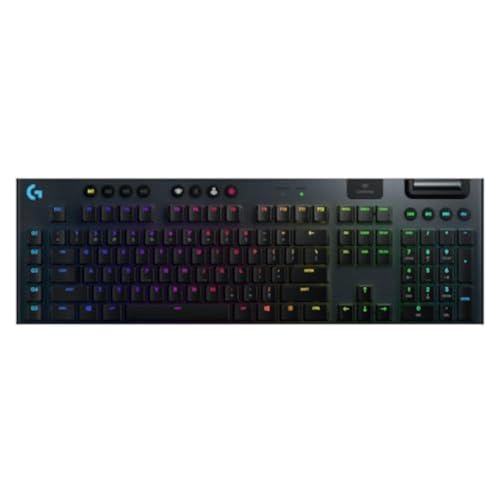
Don’t forget about peripherals! A quality keyboard and mouse can boost your performance, especially in competitive gaming. Many gamers prefer mechanical keyboards for their tactile feedback and responsiveness. A comfortable mouse adds to the experience, too. Consider getting one with customizable buttons for added control.
Finally, keep in mind audio equipment. A good headset can elevate your gaming experience. Look for headphones with a good mic for clear communication and immersive sound. Whether you’re teaming up with friends or diving into a solo adventure, good audio makes a huge difference.
Choosing the Right Accessories
When diving into the world of gaming, picking the right accessories can make a huge difference. It’s not just about getting the latest console or PC; accessories play a crucial role in enhancing your gaming experience. Whether you're looking at headsets, keyboards, or controllers, knowing what suits your style is key for anyone exploring gaming hardware for beginners.
A quality headset can turn your gaming sessions into something truly immersive. Look for ones with good sound quality and a comfortable fit. Whether you’re communicating with teammates during a battle or getting lost in the game's soundtrack, a solid headset makes a difference. Plus, it often comes with a decent microphone for clear voice chat, which is essential in many multiplayer games.
Next up, you can’t overlook the importance of a good keyboard or controller. If you’re playing on a PC, a mechanical keyboard feels great to type on and gives you that satisfying click. Plus, they often come with customizable keys, perfect for mapping your favorite commands. Console gamers should find a controller that feels comfortable in their hands and has responsive buttons. Some controllers even have extra features like customizable back buttons to give you an edge in gameplay.
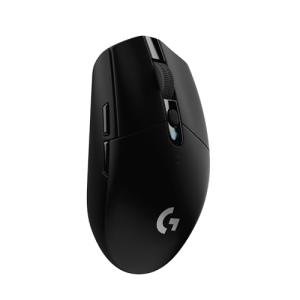
Don’t forget about a quality mouse if you’re on a PC. A gaming mouse with adjustable DPI can help you aim better and react faster. Having a mouse that feels good and tracks accurately can elevate your performance, especially in fast-paced games.
Lastly, think about your gaming setup. A good mouse pad can provide a smoother experience, and proper cable management will keep things tidy. All these little details add up to a more enjoyable gaming environment, making them important parts of gaming hardware for beginners. So take your time, do a bit of research, and choose accessories that fit your playstyle best!
Tips for Upgrading Your Gear
Upgrading your gear can feel overwhelming, especially if you’re diving into gaming hardware for beginners. But don’t worry! With a few simple tips, you can make smart choices that improve your gaming experience without breaking the bank.
First up, know what you have. Start by checking your current setup. Is your graphics card running slow? Or is your RAM lagging behind? Take the time to understand your existing hardware before seeking upgrades. This way, you’ll know exactly what needs an upgrade and what can wait.
Next, prioritize based on what you enjoy playing. If you’re into fast-paced shooters, upgrading your graphics card should be high on your list. For massive open-world games, bumping up your RAM might give you a smoother experience. Focus on the components that will benefit your favorite games the most!
Don't forget about compatibility! When you choose upgrades, make sure they match your system. Research the specifications of your motherboard and other components to avoid buying something that won’t fit or work properly. Websites and forums can be great places to learn about compatibility issues that might not be obvious at first glance.
Finally, keep an eye out for deals and bundles. Many retailers offer sales or special packages that can save you money when upgrading. It's a great way to score better performance for less. Always do your homework, and be patient; the right upgrade will be worth the wait!